





Dowel laminated timber DLT

Dowel Laminated Timber (DLT) is also know as brettstapel, literally meaning board stack in German. it is a technique of constructing large-scale solid timber panels for use as structural or non-structural elements, utilising smaller untreated sawn timber sections, which are mechanically fixed together with timber dowels.
In a similar way to traditional green oak frame the dowels are seasoned or dried, whilst the main body of timbers are not, so the have a higher moisture content, the dowels soak the moisture from their wetter surroundings and expand ensuring the dowels connection is strong and tight. In oak framing structure the dowels tend to also be made from oak, in DLT they may be made from beech or any other suitably dried hardwood, in both cases the structure and dowels dry over time creating stable established connections.
DLT is said to have been originally conceived by the German engineer Julius Natterer in around the 1970s (hence the reason it is still often referred to as brettstaple). At this time the technique consisted of low grade posts of sawn timber laid side by side, continuously nailed together to create solid structural elements, which then evolved to include glues for increased strength and wider spans. Apart from issues around end of life scenarios, the randomly placed nails also caused problems for modifying or cutting any elements.
In 1999 a German company developed a dowelled wood system (Dübelholz) replacing the nails, this overcame the issues of modification and end-of life because the system became a single material solution. However contraction and expansion from variations in temperature or moisture over time, could potentially cause separation along the dowel axi, compromising strength leading to reintroduction of glue or nails.
2001 An Austrian company developed a system of inserting timber dowels at angles through the posts in ‘V’ and ‘W’ formations to solve the issue, it virtually eliminated the potential for movement gaps retaining a 100% timber product. Other manufacturers have different means of dealing with the issue, including driving dowels through rotating layers of boards, though this is perhaps the most innovative.
Today many different companies manufacture Brettstapel in Austria, Germany, Switzerland and Norway. The most common form of Brettstapel is the perpendicular dowel with the majority of systems not utilising any glue. DLT utilizes locally sourced material and does not include adhesives it can be considered a natural low carbon value engineered product.
[edit] Related articles on Designing Buildings
- Carpentry.
- Compressive strength of timber lattice columns for low-rise construction.
- Cross laminated timber.
- Nail Laminated timber.
- Engineered bamboo.
- Engineered wood products.
- Facts about forestry.
- Glulam.
- Janka hardness rating scale.
- Laminated veneer lumber LVL.
- Modified wood.
- Nails - a brief history.
- Plywood.
- Predicting service life of timber structures.
- Sustainable timber.
- Testing timber.
- The differences between hardwood and softwood.
- The use of timber in construction.
- Timber frame.
- Timber vs wood.
- Types of timber.
- Types of timber species.
- Whole life carbon assessment of timber.
- Wood around the world.
[edit] External Links
Featured articles
Check out some of the best features and news from Designing Buildings as well as key stories from around the web.
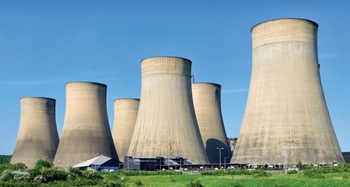
The heritage of nuclear and conventional power stations.
New measures to stop people being ripped off

Government to protect families from cowboy builders and aggressive bailiffs.

New Futurebuild showcase brings an innovation-first approach.
National Planning Policy Framework
Understanding the 2026 changes.
ECA's public affairs priorities

Member consultation opens to shape priorities for 2027 to 2030.

Dutyholder responsibilities from 1 July 2026.
Where performance meets practice

The Building Envelope Stage at UKCW Birmingham.

CIAT publishes briefing on planning reforms.
Leaders in Learning for Practice Network

Call for conservation leaders in learning to register interest in new network.
The importance of early engagement

Construction lessons from the Trillium HealthWorks Experience Centre.
Mayors are to be given planning call in powers

Mayors across England will be able to make the most important planning decisions.
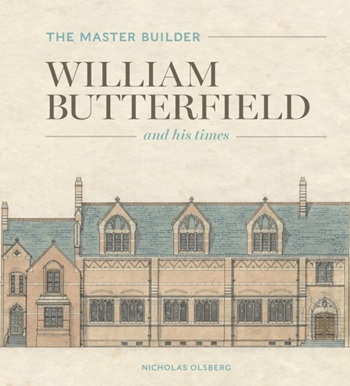
The Master Builder: William Butterfield and his times. Book review.
Comments
[edit] To make a comment about this article, or to suggest changes, click 'Add a comment' above. Separate your comments from any existing comments by inserting a horizontal line.